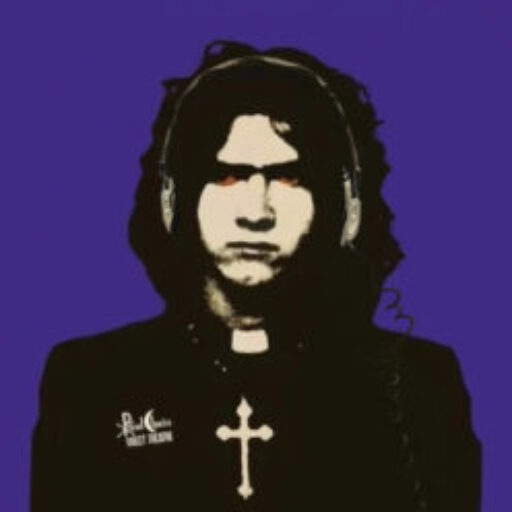
After the Sabbath: Introduction
What was it about Black Sabbath that made them one of the most influential rock bands of the 20th century? What caused a strange blues-rock band from the late ’60s to shake an entire generation awake and draw them in? What makes a band, without even trying, become a cornerstone – if not the cornerstone – of an entire genre?

None of the band members expected their music to reach so many people or to help shape something new. But that’s what happened. Heavy metal owes much of its existence and sound to four British misfits who weren’t even sure what they wanted more: to play blues-rock from the gut or to scare people for the attention. Not the power of Hendrix’s guitar, not the dirty sex-blues of Led Zeppelin, could have prepared the rock world for what Sabbath were cooking up on the side – isolating themselves, staring at walls, consuming large amounts of drugs. But that wasn’t the point. They weren’t the only weirdos. All of rock was born from pushing back. What made Sabbath different is that they pushed even further. When they reached the crossroads of rock and roll, they didn’t turn left or right. They swerved sideways. Slowly, drowsily, passively, they became the outlaws of the outlaws.
Black Sabbath wrote songs of horror and fear that came from a place both infantile and brilliant, driven by frustration and resentment that had never found a home in rock. Their early years were marked by alienation, detachment, and above all, paranoia – just look at the title of their second album. They sounded like fugitives from life. The music was full of terror, hallucinations, devils, and death, but the strongest feeling it conveyed was a deep sense of disconnection. It was music that came from the edge of the universe and wanted to stay there. The early Sabbath sound wasn’t just heavier or darker or rougher. It was colder. Farther away. Somehow, they struck a nerve and slowly cracked open a battered Pandora’s box. Through its gaps, you could see the faces of people who felt the same. The everything was already there. Other bands didn’t pull it out. Maybe they didn’t try. Maybe they were afraid.
Predictably, critics, parents, and the cultural establishment hated them. No one took them seriously – except for a growing number of listeners who did. Who listened, thought, believed. Some picked up instruments themselves. And built a sound the critics and parents would learn to hate all over again. A few million people around the world didn’t seem to mind. Small change.
The Ozzy Osbourne debate is one of the more exhausting ones among Sabbath fans. The divide is familiar. Some believe that without Ozzy’s shaky charisma, the band lost its spark. Others say Ozzy was just one singer in a long line, and that what held it all together was quality and intent. I’ll say this: both are true. The last two Ozzy-era albums were failures in every way. But it’s also true that Tony Iommi – guitarist, anchor, and one-fingered engine – was the one who kept the whole thing alive. Even when the lineup dissolved entirely, Iommi kept it going with new players and new singers. Still, for me and for many others, no lineup ever replaced the original four. Nothing matched the unstable presence of Ozzy at the front.
In this series of four articles, I’ll go through each of the first eight Sabbath albums with Ozzy, one by one. As long as the buried corners of the human spectrum continue to stir, this music will still, and always, matter.
This is a return to those records, in tribute to Ozzy Osbourne.
Index:
➡️ After the Sabbath: The Door Opens (1970) | Self-titled and Paranoid
➡️ After the Sabbath: Into the Void (1971–72) | Master of Reality and Vol. 4
➡️ After the Sabbath: Experiment and Fracture (1973–75) | Sabbath Bloody Sabbath and Sabotage
➡️ After the Sabbath: The Disintegration (1976–78) | Technical Ecstasy and Never Say Die!