Mastodon’s “Seabeast”: A Tribute through Storm and Cinema
Leviathan (2004) remains a storm-tossed monument in Mastodon’s history, and “Seabeast” is one of its most striking visions. The video turns Melville’s vast ocean into a fever dream of sea monsters, collapsing ships, and hallucinatory imagery, reflecting the album’s obsession with forces too large for control. It draws on the spirit of forgotten theater, shadow-puppets, silent cinema and early expressionist films, where drama and body gestures spoke louder than any words. Shadows and contorted movements carry the tale as vividly as the monsters themselves. The sea rages as a character, an overwhelming presence, pushing the band into the same mythic frame (literally) as the doomed sailors, evildoers, tragic creatures and phantom ships.
The lyrics of “Seabeast” cast fragments of Melville’s Moby-Dick into Mastodon’s own storm language. Queequeg is addressed directly, saved from death only to be thrust back into the cycle of obsession. Ahab appears, too, still driven by compulsion, dragging the crew into the abyss. Then the words shift away from the voyage: temples, offerings, teeth of hope, a child beside the mother. The story no longer stays at sea, but opens into visions that feel sacred and unsettling, as if the chase has entered the realm of ritual.
The video deepens that impression. Its imagery recalls the silent era, where body movement and expression carried the drama in place of dialogue. Characters stagger, gesture, collapse, and rise again as though caught in a ceremony beyond language. The beast becomes less a creature to be fought than a presence demanding offerings. Every glance skyward, or exaggerated movement, feels closer to rite than to battle. In that space, Mastodon’s performance becomes part of the same ritual: four musicians channeling storm and myth with instruments instead of relics.

The riffs match that duality, balancing violence and ceremony, moving with enough force to drown but also with an odd sense of grace. Mastodon at this point had already set themselves apart from sludge peers by welding technical complexity to primal fury, and “Seabeast” is one of the clearest examples of that fusion. Its shifting tempos and tangled patterns echo the chaos of storm seas and the relentless drive of obsession.
The video and the song together form a rare moment where heavy music, literature, and cinema meet seamlessly. The influence of Melville, the echoes of early film, and the raw energy of four musicians at their hungriest all collapse into a single vision.
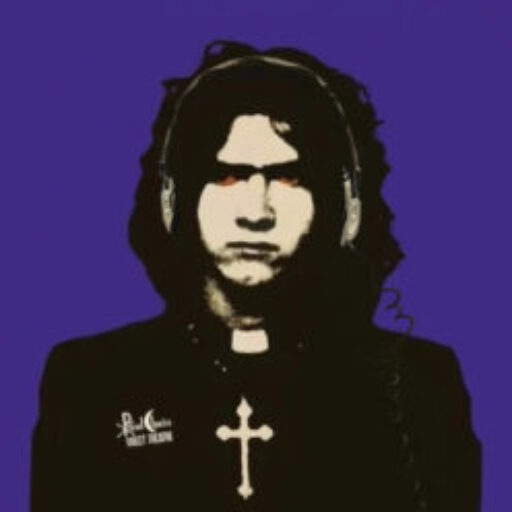
My favorite will always be Mastodon’s first two albums, and within them “Seabeast” is the place where Brent Hinds’ playing and character will always live for me. His guitar helped to give shape to that black and white ocean, and his voice still seems to cut through the storm.
*