Review: Der Weg einer Freiheit – Innern (2025)

Der Weg einer Freiheit return with their sixth full-length, released through Season of Mist. Across six albums, the Würzburg group have refined their own language within black metal. With Noktvrn (2021), they leaned toward nocturnal atmosphere and extended use of piano, pulling their writing closer to dream states. Innern moves in another direction, stripped down to fury and fragility, pushing deeper into the body.
The album shifts between surges of aggression and stillness, tracing how one state feeds into the other. “Marter” opens with riffs like war drums, sharpened by shrieks torn out of the chest. The track moves like a body breaking apart and then stitching itself together. “Xibalba” descends into the Mayan underworld, guitars wound tight, rhythms surging before dissolving into silence that carries its own unease.
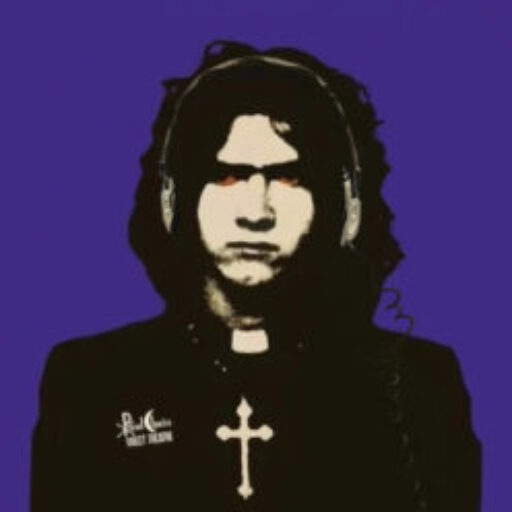
The track “Eos” carries a voice the band describe as a fallen soldier imagining his death as the seed for new life. For me, it echoes the 2022 German remake of All Quiet on the Western Front (Im Westen nichts Neues). Set during the First World War, the film follows a soldier and his comrades through the trenches, tracing the same circle – life dissolving into earth, death feeding the ground for more life to rise. Whether cruel or part of nature’s order, that cycle runs through both works. The cover hints at it too: The German illustrator Max Löffler’s sharp figure, part steel part bloody moon of sorts, closing into a circle where violent endings and beginnings blur.
The movement then turns inward. The title itself, Innern, carries meanings of “within,” “inside,” and even “to remember.” On “Innen,” the word becomes a mantra, circling isolation and memory, showing how the album’s gaze is aimed at what survives beneath ruin. By the time “Forlorn” stretches chords into wide arcs and the drums shift from blast to procession, grief is written directly into rhythm.
The phrase “post-black metal” follows the band, though the label feels less like a genre and more like a question. Here, tremolo lines and blast beats share space with piano, ambience, and long passages of quiet. The music demands that black metal carry emotions rarely asked of it: grief, intimacy, reflection.
Placed against Noktvrn, this album feels harsher, less dreamlike, more rooted in pain than reverie. Where its predecessor expanded the use of piano as both a concept and an anchor, Innern gives that role to silence and sudden stillness, allowing the intensity around it to cut deeper.
The album belongs to black metal yet extends beyond it, reaching toward literature and cinema in the same breath. Hölderlin’s solitude, Tarkovsky’s broken landscapes, the gaze turned inward until the world outside falls away. Innern presses some weird, steel blades against the self and listens for what bleeds through. Absolutely fantastic!
*