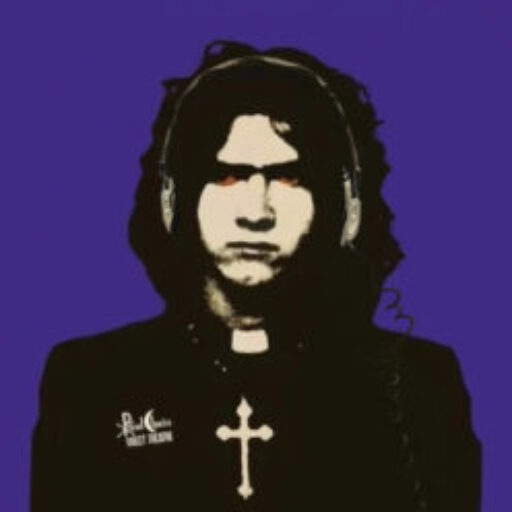
Review: Evoken – Mendacium (2025)

Evoken stands as one of the fundamental pillars of American extreme doom metal. Formed in 1992 (under the initial name Funereus), this New Jersey collective has spent over three decades helping to define the sound of funeral doom – a genre characterized by its glacial pace, overwhelming psychological gravity, and mournful atmosphere. Alongside worldwide peers like Skepticism, Shape of Despair, and Mournful Congregation Evoken established the blueprint for blending death metal’s density with the emotional despair of traditional doom, influencing generations of slower, and even heavier bands.
Seven years after their highly regarded Hypnagogia, these stalwarts return with Mendacium. This seventh full-length album is an extensive, hour-long meditation on isolation and spiritual crisis, framed by an ambitious concept that traces the final hours of a 14th-century Benedictine monk confined to his monastery room by illness. The title, Latin for “falsehood” or “lie,” suggests the crumbling foundation of the protagonist’s reality and faith.
—
The Canonical Descent: Eight Hours of Torment
Mendacium is structured around the eight traditional monastic hours of prayer, with the track titles reflecting this chronology, each track marking a descent into the monk’s internal conflict and his encounter with a “hideous entity.
“Matins” (Nighttime): The longest, most complex prayer hour, traditionally said in the middle of the night. This track introduces the pervasive dread, establishing the psychological prison as the monk’s sleeplessness and pain bring him face-to-face with the tear in reality.
“Lauds” (Dawn): Traditionally the morning praise, recalling the Resurrection. In the context of Mendacium, this track, which is a centerpiece of the album, serves as the point where the monk’s hope is utterly subverted, confirming the relentless, dawnless cycle of his suffering.
“Prime” (First Hour, ~6 AM): A shorter, focused track that acts as a brief, minimalist interlude. This hour, meant to consecrate the coming day’s work, here offers only a momentary, chilling stillness before the intensity resumes.
“Terce” (Third Hour, ~9 AM): The first of the “little hours.” Musically, this signifies a return to the overwhelming density, reflecting the monk’s increasing internal struggle between his blind faith and the dogma that restricts his desires.
“Sext” (Sixth Hour, Noon): Traditionally commemorating the Passion of Christ, the peak of suffering. This track aligns with the narrative’s climax – the midday of the monk’s delusion and the most direct confrontation with his torment.
“None” (Ninth Hour, ~3 PM): Commemorating Christ’s death. As the day darkens, this track emphasizes the emptiness of the monk’s routine (“a hollow chant of the monastic life”), further tearing him between his dogma and his raw, physical suffering.
“Vesper” (Evening/Sunset): A short, nearly four-minute track that serves as a dark ambient breather. The evening prayer, meant for taking down the cross, here offers a brief, mournful calm, a moment of final introspection before the night.
“Compline” (Night Prayer/Bedtime): The final prayer of the day. This massive closing track brings the narrative to its inevitable, crushing conclusion, representing the ultimate descent into delusion and the final, eternal darkness.
—
This framework provides a disciplined backbone to music that is inherently sprawling and slow-moving. Sonically, Evoken returns to the monumental, oppressive power of their earlier works, a conscious shift from the somewhat more melodic leanings of their previous release. The core sound is defined by immense, down-tuned guitar density and a drumming style that emphasizes deliberate, almost seismic strikes rather than speed. The production is sharp enough to articulate the complex guitar dissonances while still maintaining the necessary cavernous, echoic atmosphere of the genre.
The tracks throughout this albums rarely hold a single tempo, utilizing frequent, agonizingly slow changes in rhythm and melody to mirror the monk’s psychological torment. The ten-minute centerpiece, “Lauds,” exemplifies this approach, shifting between suffocating, death metal-influenced passages and stark, minimalist segments featuring mournful synthesizer work.
The band expertly layers these textures: the vocals alternate between deep, ritualistic growls that feel ancient and spoken-word passages, adding to the narrative’s claustrophobic sense of dread. Shorter instrumental pieces like “Prime” serve as moments of atmospheric transition, ensuring the sustained oppressive mood remains intact across the album’s duration.
Mendacium is a demanding album, requiring patience to fully absorb its bleak grandeur. However, it rewards that commitment with one of the most mature and devastating releases in Evoken’s three-decade career. They manage to balance their signature uncompromising funeral doom heaviness with a sophisticated sense of composition and emotional nuance. For fans of the genre, this is essential listening that solidifies Evoken’s standing as an undeniable master of profound, protracted darkness.
*