The Devastation: Vienna’s Youngest Are Not Waiting for Permission
On doom, nightmares, and what it means to choose Black Sabbath over the algorithm

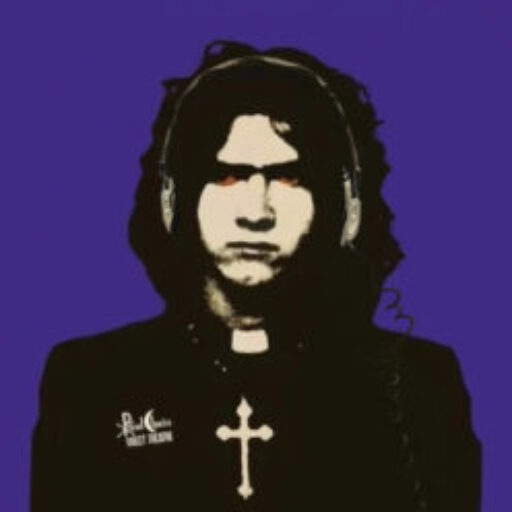
Demetra Cartsos is fifteen years old. She fronts a band, writes the songs, manages the bookings, runs the social media, attends regular school and music school in the same week, and still finds time to have nightmares worth writing about. The Devastation, the Vienna occult rock and metal band she founded in February 2025 at fourteen, spent their first year winning competitions, opening for established acts, and playing every serious doom stage the Austrian underground had to offer.
Vienna, February 2025. Demetra Cartsos was fourteen years old and she founded a band. Within three months, The Devastation had won the WienXtra U20 competition on the night of their very first show. By October, still in their first year of existence, they were opening for Year of the Goat and The Night Eternal at the Viper Room, and Demetra joined Year of the Goat on stage for “Kiss of a Serpent.” By December they were on the bill at Blasphemy Over Villach II. They have two singles out, a first album in progress, and a place on the roster of Doom Over Vienna, the Austrian festival that draws the most serious ears in the country’s doom scene. All of this before any of them had finished school.
A small note on timing: Demetra sent her answers on December 1st, 2025, while juggling rehearsals and three exams in the same week. Over here at Doomnation Radio, the end of year swallowed everything, as it always does: the best-of countdown for 2025, the usual end-of-year chaos, and the stack of things that keep getting pushed to January, then February. By the time you read this in March 2026, the band have recorded a third song, reached the finals of the Planet Festival Tour, the largest band contest in Austria, and kept playing. The world did not stand still, and neither did they.
The four members are Demetra on vocals and guitar, Felix on lead guitar, Liara on bass, and Theo on drums. Demetra and Felix go back further, through a school band called Friday the 13th at Parhamergymnasium. Liara she met at a music workshop at the University of Music and Performing Arts Vienna. Theo they found through their shared music school. At the first rehearsal, she says, they clicked. The vision was open from the start: they do not all share the same exact picture, and she thinks that helps.

Their music sits in a zone she calls occult rock and metal, with doom and punk moving through it. The gateway for her was her father’s vinyl copy of Painkiller by Judas Priest. She turned it up, and that opened into Black Sabbath, Iron Maiden, Candlemass, Venom, King Diamond. Electric Wizard came later. Ghost’s early albums, Opus Eponymous, Infestissumam and Meliora, gave her the thread that connects occult imagery to doom atmosphere and melodic rock. Lucifer’s singer Johanna, who Demetra met when the band played Greece, became a specific model for what a frontwoman can carry.
She is direct about what she finds missing in her generation: “I find it very sad that most teenagers nowadays have no love for such music or even know about it.” Her classmates shop at the same stores and listen to the same TikTok-trimmed clips on rotation. The attention span shrinks. The songs get shorter. Her answer, at fourteen going on fifteen, is to go longer, slower, and heavier. To dive into this style, she says, you have to let go rather than control, and letting go is the ultimate freedom.
The second single, “Woman in the Black Veil,” released November 21, 2025, came from a nightmare. She was eating with her band in a park. When they stood to leave, there was a woman on a bench with a black veil over her face, someone Demetra felt she recognized without ever having seen her before. The woman grabbed her and told her it was too early, that she was not supposed to be there. Then she woke up. The song is how she processed it. On stage, she wears the veil. She describes it as channeling the woman’s presence, a way of telling her: I heard you, I didn’t understand, but I’m here.
The recording happened in a single day with engineer Patrick Vanek. A few takes on the instruments, then the vocals, with Vanek handing her creative control over the mix until she was satisfied. They are still building toward the budget and the time that a full album needs, and she is taking that seriously: “I want to be able to go home and sleep every night knowing that I am proud of the music that I have made.” At fourteen, that kind of patience is not a given. In most people it takes years to arrive at.
The Doom Over Vienna slot came the night before the show, a call to replace a band that had fallen sick. Zero preparation time. She was not at full voice. They went anyway, a band less than a year old, and the audience received them. Established acts on the bill offered support and insight. That gig pulled further shows and more attention, and she is clear about what it meant: “The community has embraced us with open arms. It felt like coming home.”
That conversation about attention spans and algorithms leads her somewhere darker. The biggest challenge facing musicians, audiences and human beings right now, she claims, is AI. “No AI can simulate the magic that is happening between musicians at a rehearsal or on stage.” But she pushes the question further, into the recording studio and the writing room, where the line is harder to draw. Her answer is that honesty, empathy, and the sense of a real community are what a band can offer that code cannot. If the audience stops trusting that, she says, maybe the only honest answer is live performances in small venues with no phones allowed.
The Devastation want to play Hellfest and Wacken. They also want to play the bar around your corner. They are teenagers. And this combination is not a contradiction.
*
The Devastation
https://thedevastationband.com/home // Instagram // Facebook // Youtube